SECTOR PERSPECTIVE
Logistics & Warehousing Sector brief.
Shipment visibility, exception handling and the information flows between operators, partners and customers.

Shipment visibility, exception handling and the information flows between operators, partners and customers.
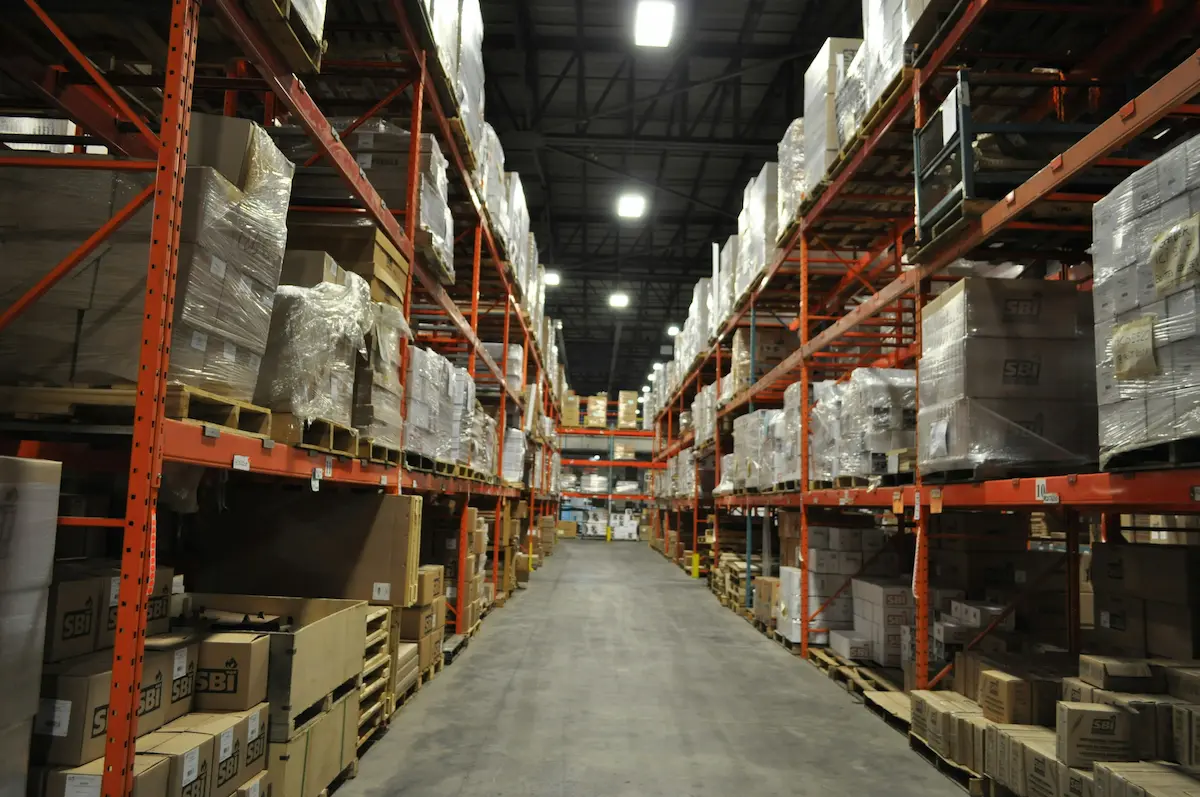
Logistics systems are useful when people can identify an exception, understand its consequences and decide what to do next. Tracking data has limited value if its meaning changes between a warehouse, a carrier and a customer. Tiph examines the definitions, system connections and responsibilities behind operational reporting.
Inconsistent status definitions across carriers and facilities
Manual coordination when orders or shipments fall outside normal processing
Reporting delays and gaps in the underlying operational data
Different access requirements for operators, partners and customers
Data and status-definition review
Exception workflows and escalation responsibilities
Requirements for customer portals and operational dashboards
Integration priorities based on service delays and coordination costs
The useful question is how quickly an organisation can identify and resolve uncertainty. A dashboard should expose the actions and ownership behind a status, rather than simply display more data.
Published evidence. Scope and limitations.
The redesigned indicators use shipment-level data to examine connectivity, speed and reliability in international supply chains.
ScopeCountry and supply-chain indicators provide context. They do not measure the performance of an individual warehouse or operator.
Include the task or decision, the current process, the systems involved and the result you need. We can establish the appropriate scope from there.
hello@tiph.agency